

Uncategorized
What Are Cannabis Strains?

Aug
What Are Cannabis Strains? A Complete Guide to Cannabis Types in Europe

What are cannabis strains? Cannabis strains are different varieties of the cannabis plant that can vary in their genetics, cannabinoid content, terpene profile, aroma, appearance, and other characteristics. Although names such as Indica, Sativa, and Hybrid are commonly used to organize cannabis varieties, modern cannabis is genetically complex, and a strain name alone does not reliably predict how a particular product will affect an individual.
For people trying to understand the wide varieties available today, learning how cannabis strains are classified is a useful starting point. This guide explains cannabis genetics, Indica, Sativa, and Hybrid terminology, THC and CBD, terpenes, strain names, and why two cannabis products carrying similar names can still be quite different.
If you want to explore individual varieties after understanding the basics, visit our [Best Cannabis Strains in Europe – Complete Guide] for our main overview of cannabis strain categories and related educational guides.
What Are Cannabis Strains?
Breeders or selectors have generally bred or selected a particular variety of cannabis, which the term cannabis strain refers to, for certain characteristics.
These characteristics can include:
- Plant structure and appearance
- Aroma and flavour
- THC concentration
- CBD concentration
- Other cannabinoids
- Terpene composition
- Flowering characteristics
- Genetics and ancestry
For example, two cannabis varieties may look similar while producing noticeably different terpene and cannabinoid profiles.
However, there is an important point to understand.
Although “strain” is the term most consumers recognize, cannabis researchers and horticultural professionals often use terms such as cultivar or cultivated variety more precisely.
Therefore, when someone asks, “What are cannabis strains?” they are usually asking about the different named varieties or cultivars of cannabis available today.
Where Do Cannabis Strains Come From?
Cannabis has been cultivated by humans for thousands of years.
Over time, cannabis populations adapted to different climates and geographical regions. People also selected plants with desirable characteristics and continued breeding them.
This produced considerable genetic diversity.
Traditional cannabis populations developed in areas including Central Asia, South Asia, Africa, the Middle East, and other regions.
Later, breeders began crossing plants originating from different genetic backgrounds.
Modern breeding accelerated this process considerably.
Today, many well-known cannabis varieties have complicated family trees involving several generations of crosses.
As a result, we should not always view modern cannabis as a collection of completely separate biological categories.
Instead, many contemporary cultivars contain genetics inherited from numerous ancestors.
Understanding Cannabis Genetics
Genetics is one of the foundations of a cannabis variety.
When breeders cross two parent plants, their offspring inherit genetic characteristics from both.
For example:
Parent A × Parent B → New Hybrid
Breeders can then select plants displaying desirable characteristics and continue breeding them over several generations.
Selection may focus on characteristics such as:
- Cannabinoid production
- Terpene expression
- Plant structure
- Flower density
- Yield
- Colour
- Resistance to environmental stress
- Flowering time
Consequently, cannabis breeding has produced thousands of named cultivars.
Genetics matter, but they are not the only factor determining the final chemical composition of cannabis.
Growing conditions, harvesting, storage, and plant phenotype can also make a difference.
What Are the Main Types of Cannabis Strains?
Cannabis products are commonly divided into three broad groups:
- Indica
- Sativa
- Hybrid
You will see these terms frequently on cannabis-related websites and product labels.
However, consumers should understand that this system is an oversimplification.
Modern scientific evidence indicates that Indica/Sativa labels alone cannot reliably tell you the complete chemical composition of a cannabis product.
Nevertheless, the terminology remains widely used, so understanding what the labels traditionally mean is useful.
What Are Indica Cannabis Strains?
The word Indica traditionally describes cannabis associated with shorter, bushier plants and relatively broad leaves.
Historically, plants associated with Cannabis indica were linked with regions including parts of Central and South Asia.
In modern consumer terminology, products labelled Indica are frequently marketed as having relaxing or evening-oriented characteristics.
However, an Indica label should not be treated as a guarantee of a particular effect.
The experience may depend more heavily on factors such as:
- THC concentration
- CBD concentration
- Terpene profile
- Dose
- Individual tolerance
- Consumption method
Therefore, consumers interested in the characteristics of a particular cultivar should look beyond the word “Indica.”
For a deeper explanation of this category, see our [Best Indica Strains in Europe] guide.
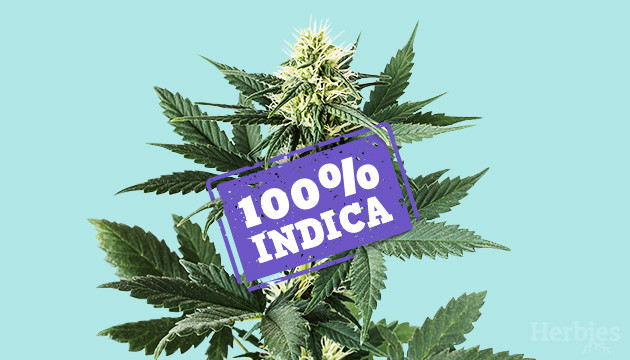
Indica Marijuana Strains in Europe
What Are Sativa Cannabis Strains?
Sativa traditionally refers to taller cannabis plants that often have narrower leaves and longer flowering periods.
Historically, cannabis populations associated with Sativa characteristics developed in warmer regions.
In modern cannabis culture, Sativa-labelled varieties are frequently marketed as more uplifting or daytime-oriented.
Again, this classification has limitations.
Two products labelled Sativa can have very different:
- THC levels
- Terpene concentrations
- CBD content
- Minor cannabinoids
- Genetic backgrounds
Therefore, the Sativa label provides only part of the information.
Our [Best Sativa Strains in Europe] guide explores this category in greater detail.
Sativa Marijuana Strains in Europe
Buy Sativa Marijuana Strains in Europe Online
Firstly, explore a curated selection of sativa marijuana strains available for online browsing across Europe. Sativa strains are commonly associated with uplifting and energizing characteristics. As a result, they are often chosen by individuals seeking a more stimulating cannabis profile.
Moreover, sativa marijuana strains typically differ from indica varieties in both structure and cannabinoid composition. They are often described as having a more mind-focused profile, depending on the specific strain.
What Are Sativa Marijuana Strains?
Sativa marijuana strains originate from cannabis plants traditionally grown in warmer climates. Consequently, these strains are commonly linked to energizing and uplifting characteristics.
In many cases, sativa strains are described as containing higher levels of THC and lower levels of CBD compared to indica strains. However, cannabinoid levels may vary depending on genetics, cultivation methods, and strain selection.
Common Characteristics of Sativa Strains
Additionally, sativa marijuana strains are often associated with the following characteristics:
-
Uplifting and energizing profile
-
Increased focus and creativity
-
Enhanced mood
-
Reduced stress and mental tension
-
Appetite stimulation
Therefore, many individuals prefer sativa strains for daytime or activity-focused use.
Why Choose Sativa Marijuana Strains?
Furthermore, sativa strains are often selected by individuals looking for options associated with:
-
Daytime use
-
Mental clarity and focus
-
Creative activities
-
Mood support
-
Light and stimulating experiences
As a result, sativa strains remain a popular category among cannabis users in Europe.
Where to Buy Sativa Marijuana Strains in Europe
This category provides access to premium sativa marijuana strains across several European countries, including:
-
Germany
-
Spain
-
France
-
Belgium
-
Sweden
-
Finland
Orders are processed through European distribution channels. However, availability may vary depending on location and product selection.
Quality Selection Standards
In addition, sativa strains listed in this category are chosen through a careful selection process. Factors such as strain reputation, customer feedback, and overall consistency are considered. Consequently, only well-selected sativa strains are made available.
Browse Sativa Marijuana Strains
Finally, browse this category to explore available sativa marijuana strains and compare different options. Each product page provides detailed information to help guide your selection.
What Are Hybrid Cannabis Strains?
A Hybrid cannabis strain results from crossing cannabis plants from different genetic backgrounds.
In reality, a large proportion of modern commercial cannabis cultivars could be described as hybrids because breeders have crossed different lineages for decades.
Hybrids are commonly marketed as:
Indica-dominant hybrids
These are described as having more characteristics traditionally associated with Indica varieties.
Sativa-dominant hybrids
These are marketed as showing more characteristics traditionally associated with Sativa varieties.
Balanced hybrids
These are generally described as combining characteristics from both sides of their ancestry.
However, percentages such as “70% Indica / 30% Sativa” should not automatically be interpreted as precise predictors of effects.
Cannabinoid and terpene information can provide additional useful context.
Learn more in our [Best Hybrid Cannabis Strains in Europe] guide.

Hybrid Marijuana Strains in Europe
Buy Hybrid Marijuana Strains in Europe Online
Firstly, explore a curated selection of hybrid marijuana strains available for online browsing across Europe. Hybrid strains combine genetic traits from both indica and sativa plants. As a result, they offer a balanced profile that appeals to a wide range of preferences.
Customers across Europe can discreetly browse hybrid weed options designed to provide varied characteristics depending on strain composition.
What Are Hybrid Marijuana Strains?
Hybrid marijuana strains result from crossbreeding indica and sativa plants. Consequently, these strains display a mix of characteristics influenced by both parent types. Depending on their genetic ratio, hybrids may lean more toward relaxation, stimulation, or balance.
Therefore, hybrids are often chosen by individuals seeking versatility rather than a single dominant profile.
Types of Hybrid Marijuana Strains
Additionally, hybrid strains are commonly grouped into three main categories:
Indica-Dominant Hybrids
Indica-dominant hybrids typically contain a higher percentage of indica genetics. As a result, they are often associated with calming and relaxing characteristics, with mild uplifting notes.
Sativa-Dominant Hybrids
Sativa-dominant hybrids feature a higher percentage of sativa genetics. Consequently, they are usually linked to more energizing and uplifting characteristics, balanced with subtle relaxation.
Balanced Hybrids
Balanced hybrids contain an equal mix of indica and sativa genetics. Therefore, they offer a more even combination of relaxing and uplifting characteristics.
Why Choose Hybrid Marijuana Strains?
Moreover, many shoppers prefer hybrid strains because they offer:
-
A balanced genetic profile
-
Versatility across different preferences
-
A wide range of strain options
-
Greater flexibility compared to single-type strains
As a result, hybrids remain one of the most popular strain categories in Europe.
Where to Buy Hybrid Marijuana Strains in Europe
Furthermore, this category provides access to premium-quality hybrid cannabis strains across several European countries, including:
-
Spain
-
Germany
-
France
-
Sweden
-
Belgium
-
Finland
Orders are processed through European distribution channels. However, availability may vary depending on location and product selection.
Quality Selection Standards
In addition, a dedicated quality review process is used to select hybrid strains for this category. Product choices are informed by customer feedback, surveys, and market research. As a result, only a limited number of carefully selected hybrid strains are listed to meet customer expectations.
Browse Hybrid Marijuana Strains
Finally, browse this category to explore available hybrid marijuana strains and compare options. Each product page includes detailed information to help guide your selection.
What Makes One Cannabis Strain Different From Another?
If cannabis varieties belong to the same broader plant group, why can they be so different?
Several factors contribute.
1. Genetics
Genetics provides the basic blueprint.
Different cultivars inherit different combinations of traits from their ancestors.
These inherited characteristics influence plant development and chemical production.
However, genetics do not operate independently from the environment.
2. THC Content
THC, or tetrahydrocannabinol, is one of the best-known cannabinoids produced by cannabis.
Different cultivars can produce different THC concentrations.
Furthermore, THC concentration can vary between individual harvests of the same named cultivar.
For this reason, consumers should not assume that a particular strain name always corresponds to a fixed THC percentage.
Laboratory results from the specific product or batch provide more useful information.
If you are researching high-potency varieties, continue with our [Strongest Cannabis Strains in Europe] guide.
3. CBD Content
CBD, or cannabidiol, is another major cannabis cannabinoid.
Some cultivars have very little CBD, while others have been specifically bred to produce higher concentrations.
There are also cultivars designed to produce a more balanced ratio of THC to CBD.
Therefore, understanding cannabinoid ratios can be more informative than relying exclusively on strain categories.
4. Terpenes
Terpenes are aromatic compounds produced by many plants, including cannabis.
They contribute significantly to the distinctive smell and flavour associated with different cannabis cultivars.
Common cannabis terpenes include:
Myrcene
Often associated with earthy, herbal, and musky aromas.
Limonene
Usually associated with citrus-like aromas.
Pinene
As its name suggests, pinene commonly produces pine-like aromas.
Linalool
Often associated with floral or lavender-like aromas.
Caryophyllene
Commonly associated with peppery and spicy aromas.
Terpinolene
Can produce a combination of floral, herbal, citrus, and pine-like notes.
A cultivar’s terpene profile can help distinguish it from another variety.
Are Terpenes More Important Than Indica or Sativa?
For consumers trying to understand differences between cannabis products, terpene and cannabinoid information can often provide more useful detail than a simple Indica/Sativa label.
Imagine two products both labelled “Sativa.”
One could contain considerably more THC than the other.
Their dominant terpenes might also be completely different.
Consequently, assuming that both products will be identical simply because they share the same broad classification would be misleading.
A more informative product description would include:
Cannabinoid profile + terpene profile + genetics + laboratory testing.
This provides considerably more information than the words Indica or Sativa alone.
Why Do Cannabis Strains Have Different Names?
Cannabis strain names come from many sources.
Some refer to:
- Parent genetics
- Aroma
- Flavour
- Appearance
- Geographic origins
- Breeder branding
- Cultural references
A cultivar may also inherit parts of its name from its parents.
However, cannabis naming is not standardized globally.
That creates an important problem.
Two products carrying the same strain name do not necessarily have identical genetics or chemical profiles.
This is one reason laboratory information is valuable whenever it is available.
What Is a Cannabis Phenotype?
Another useful term to understand is phenotype.
Plants grown from seeds produced by the same parents can inherit slightly different combinations of characteristics.
For example, siblings from the same cross might differ in:
- Height
- Colour
- Aroma
- Flower structure
- Terpene production
- Cannabinoid concentration
Breeders may grow several plants from the same genetic cross and select the phenotype that best expresses the characteristics they want.
They can then preserve that phenotype through cloning or further breeding.
This explains why cannabis genetics can become considerably more complicated than a simple strain name suggests.
Cannabis Strain vs Cultivar: What’s the Difference?
“Strain” is deeply established in cannabis culture.
However, cultivar is generally a more appropriate horticultural term for a cultivated plant variety.
You may therefore encounter both expressions:
Cannabis strain — commonly used by consumers and the cannabis industry.
Cannabis cultivar — often preferred in scientific, botanical, and horticultural contexts.
For everyday cannabis education, both terms are widely understood.
Does Growing Environment Change a Cannabis Strain?
Yes.
Genetics establish the potential characteristics of a plant, but environmental conditions influence how those genetics are expressed.
Important variables include:
- Light
- Temperature
- Humidity
- Nutrients
- Growing medium
- Water
- Harvest timing
- Drying
- Curing
- Storage
Consequently, the same cultivar grown by two different producers may not produce identical results.
This concept is familiar in agriculture.
Genetics matter, but environment and cultivation practices matter too.
Why Can the Same Cannabis Strain Have Different THC Levels?
This is a common source of confusion.
A consumer might see the same named variety advertised with different THC percentages.
That does not necessarily mean one of the names is incorrect.
THC concentration can vary because of differences in:
- Phenotype
- Cultivation
- Harvest timing
- Plant health
- Testing methods
- Storage
- Batch variation
Therefore, strain names should not be treated as fixed chemical formulas.
When reliable testing is available, examine the laboratory information for the particular batch.
Understanding Cannabis Strains in Europe
Europe does not have one single cannabis market or legal framework.
Cannabis laws vary considerably between countries, and rules can distinguish between recreational cannabis, medical cannabis, CBD products, cultivation, possession, and commercial distribution.
Furthermore, European cannabis policies continue to develop.
Anyone researching cannabis products should therefore check the current rules that apply in their particular country rather than assuming that regulations are identical throughout Europe.
Our [Best Cannabis Strains in Europe – Complete Guide] provides the central resource connecting our educational articles about individual cannabis categories.
How Should You Compare Cannabis Strains?
Instead of choosing a cannabis variety based entirely on its name, consider the information available about the actual product.
Useful characteristics include:
Cannabinoid profile
Look at THC, CBD, and other cannabinoid information when laboratory data is available.
Terpene profile
Terpenes provide useful information about aroma and chemical composition.
Genetics
Understanding parent varieties can provide additional context.
Laboratory results
Testing can provide more specific information about a particular batch.
Product form
Cannabis flower, concentrates, and other preparations can differ substantially in composition and potency.
For a broader explanation of the factors people commonly consider when comparing varieties, read [How to Choose the Right Cannabis Strain].
Indica vs Sativa vs Hybrid: Quick Comparison
| Category | Traditional Description | Important Consideration |
|---|---|---|
| Indica | Shorter, bushier plants with broader leaves | Label alone does not predict effects |
| Sativa | Taller plants with narrower leaves | Chemical profiles vary considerably |
| Hybrid | Crosses involving different genetic lineages | Most modern cultivars contain mixed ancestry |
The most important lesson is simple:
Cannabis is considerably more complex than three labels.
Indica, Sativa, and Hybrid remain useful consumer categories, but cannabinoid composition, terpenes, genetics, phenotype, and product quality provide additional information.
Frequently Asked Questions About Cannabis Strains
What are cannabis strains in simple terms?
Cannabis strains are different named varieties or cultivars of cannabis. They can differ in genetics, cannabinoids, terpenes, aroma, appearance, and other characteristics.
What are the three main cannabis strain types?
Cannabis products are commonly classified as Indica, Sativa, or Hybrid. However, these categories do not fully describe the genetic or chemical characteristics of modern cannabis.
What is the difference between Indica and Sativa?
Traditionally, the terms describe different plant forms and genetic backgrounds. Modern consumer culture also associates them with different effects, although scientific evidence suggests that these labels alone are poor predictors of an individual’s experience.
What is a Hybrid cannabis strain?
A Hybrid is produced by crossing cannabis plants from different genetic backgrounds. Many modern cannabis cultivars are hybrids.
What determines the strength of a cannabis strain?
Potency depends largely on cannabinoid concentration, particularly THC when discussing intoxicating effects. Genetics, cultivation, harvest timing, and other factors can influence the final cannabinoid content.
Can the same cannabis strain have different THC percentages?
Yes. Different harvests and producers can produce different cannabinoid concentrations even when products carry the same strain name.
Are cannabis strain names standardized?
Not universally. The same name can sometimes be applied to products with different genetics or chemical profiles.
Are Indica and Sativa scientifically accurate categories?
They have botanical and historical origins, but using the labels to predict the effects of modern cannabis products is unreliable. Modern cultivars often have complex genetic ancestry.
What are terpenes in cannabis?
Terpenes are aromatic compounds found in cannabis and many other plants. They contribute to aroma and flavour and form part of a cultivar’s overall chemical profile.
Where can I learn about different cannabis strains?
Start with our [Best Cannabis Strains in Europe – Complete Guide], which connects our guides covering Indica, Sativa, Hybrid, and other cannabis strain categories.
Final Thoughts: What Are Cannabis Strains?
So, what are cannabis strains?
They are different cultivated varieties of cannabis distinguished by combinations of genetics, cannabinoids, terpenes, physical characteristics, and other traits.
Terms such as Indica, Sativa, and Hybrid provide a simple way of organizing cannabis varieties. However, modern cannabis genetics are much more complicated than these three categories suggest.
Therefore, anyone comparing cannabis cultivars should look beyond the strain name.
Consider genetics, THC and CBD concentrations, terpene profiles, phenotype information, and reliable laboratory results whenever those details are available.
Continue exploring our [Best Cannabis Strains in Europe – Complete Guide] to learn more about the different cannabis strain categories covered throughout this series.
